Many Minds, One Mission: How Collaboration Is Powering the Artemis Journey
Here at Don't Use This Code, we have been following the Artemis II mission closely, and we have been inspired by how NASA has utilized Open Science principles throughout this massive project!
NASA’s Artemis projects are centered around the goal of exploring undiscovered sides of the Moon and eventually setting our sights on Mars (NASA, 2026)!
Background Check -> Take a glance back at one of our previous blog posts about the Artemis II mission!
On April 1st, 2026, NASA’s Artemis II rocket lifted off from Florida’s Kennedy Space Center, heading to the far side of the moon. This launch included NASA astronauts Commander Reid Wiseman, Pilot Victor Glover, Mission Specialist Christina Koch, and Canadian Space Agency astronaut Mission Specialist Jeremy Hansen (along with the trip mascot, Rise), making them the first humans to fly to the Moon in more than 50 years (since NASA’s Apollo 17 mission in 1972)! The Artemis II mission took roughly 10 days, allowing the rocket to circle the Moon before returning to Earth on Friday, April 10th.
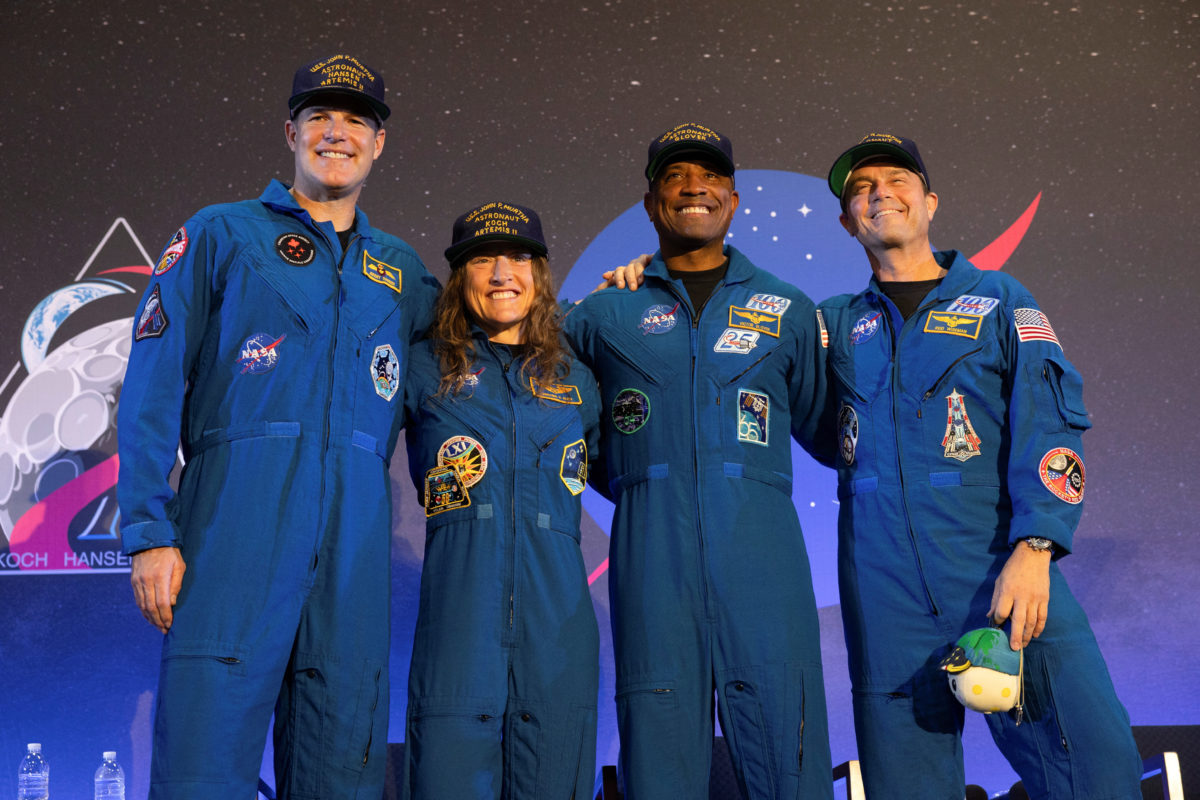
NASA Associate Administrator Amit Kshatriya commented on the Artemis II’s successful flight: “The Artemis II crew is home. The entry, descent, and landing systems performed as designed and the final test was completed as intended. This moment belongs to the thousands of people across fourteen countries who built, tested, and trusted this vehicle. Their work protected four human lives traveling 25,000 miles per hour and brought them safely back to Earth.”
This incredible feat demonstrates what we can accomplish when we pursue science through a lens of openness and collaboration. The strength and resiliency of the individuals working on the Artemis missions are unmatched, but their combined effort is what made this historic event possible. And, it does not stop there!
The updated Artemis plan reflects a thoughtful, step-by-step approach to exploration, one that prioritizes testing, learning, and building toward something bigger. Rather than rushing ahead, each mission is designed to strengthen the next, turning challenges into opportunities for growth and innovation.
Artemis III will lay the groundwork by providing key systems closer to home. Artemis IV will expand our reach, combining new technology with bold construction efforts in lunar orbit. By the time Artemis V arrives, those efforts will come together to support a lasting human presence on the Moon.
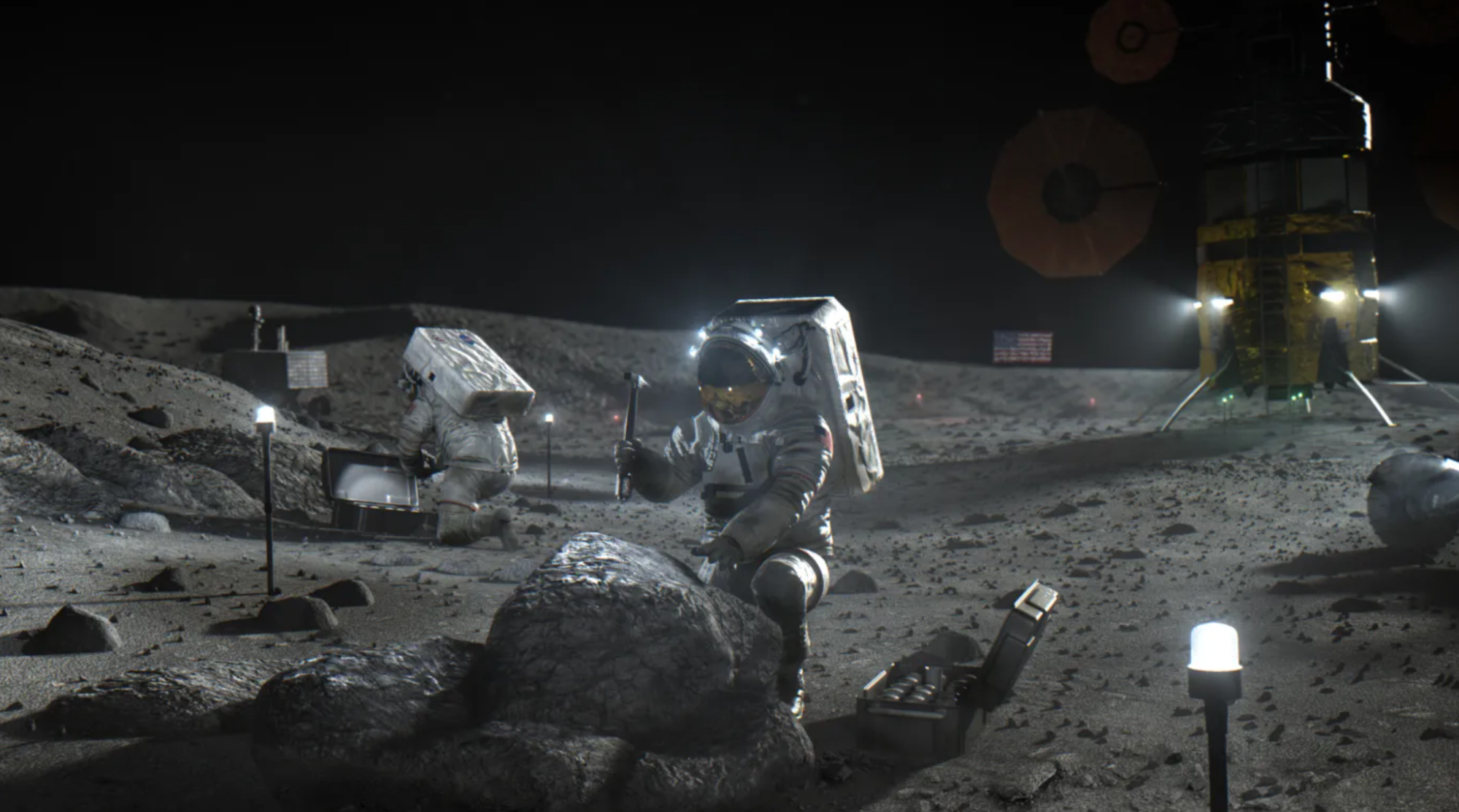
We are excited to continue watching NASA reach for the Moon and beyond, and we’re continuously inspired to provide resources to professional and citizen scientists alike, helping them pursue open science through their own research.
To learn more about our free, instructor-led Open Science training options, visit: https://www.opensciencetraining.org/