Walking the Walk: A Year of Living Open Science
Here's the thing about teaching Open Science: you can't just talk about transparency, collaboration, and accessibility. You have to embody it. In 2025, that’s exactly what the Don’t Use This Code team did! This year, nearly 2,000 people registered for our Open Science Skills Training offerings; not because we had all the answers, but because we were willing to figure things out together, with honesty, transparency, and a bit of fun!
By the Numbers
2,000 registrations, 500+ badge recommendations, several blog posts, dozens of YouTube Shorts and videos, and 20 Open Science scavenger hunt champions!
But this isn’t just about the numbers; it’s about the Open Science community that we are creating by coming together to learn and share. Our training programs became living examples of Open Science principles. This year, our Open Science Skills Training (taught by Cameron Riddell) featured new segments from two of our DUTC Teaching Assistants, Dr. Kelsi West and Mars Lee, creating room for open discussions about the challenges of implementing new tools in research.
Facing these obstacles together is what true collaboration looks like. Through Mars‘ GitHub for Academic Research session, we broke down barriers to reproducible research by demystifying version control. Dr. West also shared tools to take lab notes straight to open science. These sessions reminded us that openness grows organically from strong foundations and good research habits.
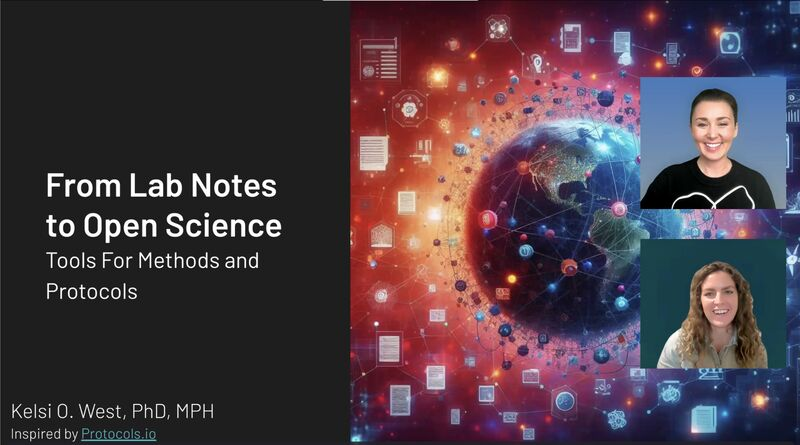
This year, our training offering grew with new sessions on the Open Science Toolbox, Open Science Accelerator, Open Code: Reproducibility in Action, and Open Science Training at Johns Hopkins. As Disha Sardana reflected in her blog, sustainable change requires building communities of practice. With these training sessions, we dismantled gatekeeping by sharing essential tools that are accessible to everyone.
Sharing Knowledge Without Barriers
We continued sharing our knowledge and resources with our Open Science Blog. No paywalls, no registration, no institutional credentials required here!
Dr. West explored growing your academic support system , showing that open science is more than individual transparency, it’s about cultivating networks where collaboration can truly flourish. Building on that idea, Brooklyn Olson expanded the conversation beyond academia, arguing that open science benefits everyone who depends on reliable information to make decisions. In her piece on evaluating scientific claims , she demonstrated how open practices democratize critical thinking itself: you don’t need credentials, only access to methods and data. Dr. West’s visualization guide further addressed how open data is only useful if its visualizations can actually be understood.
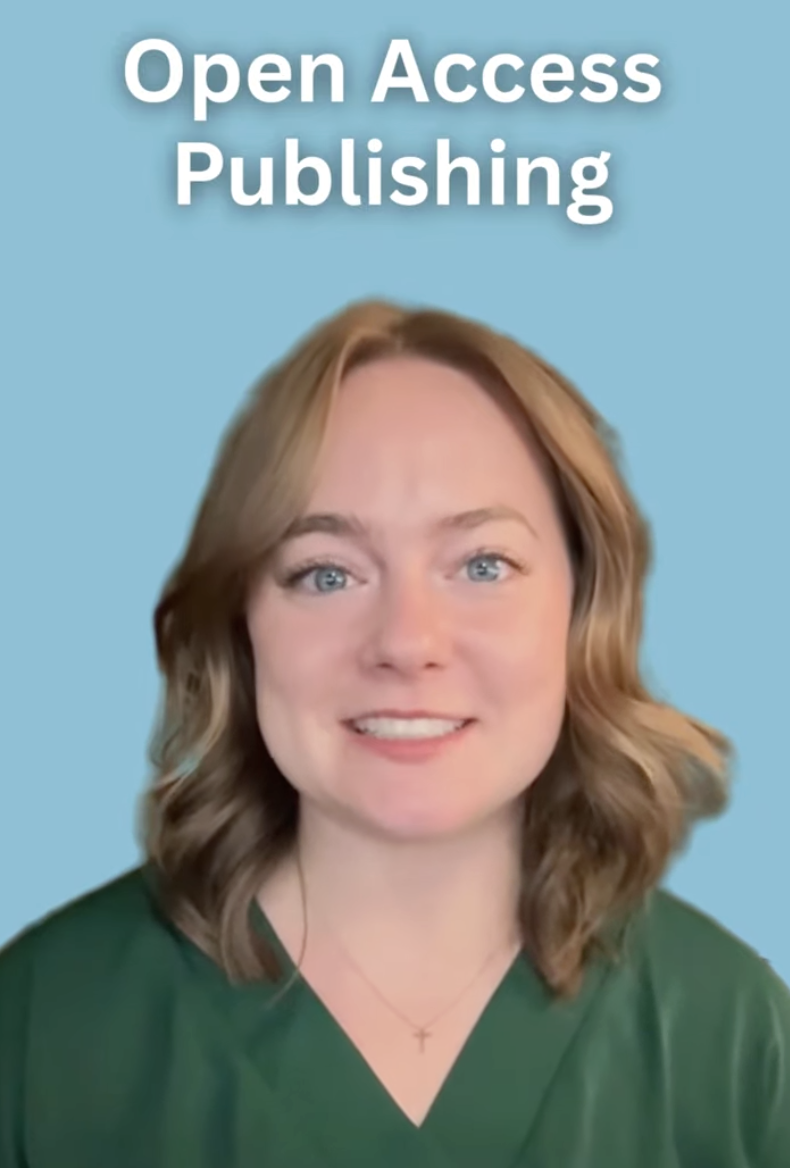
Expanding our YouTube presence allowed us to break down barriers to knowledge by offering content and resources through a new medium. Our Teaching Assistant panel showed transparency in action. During this event, Sammy Chatham and Dr. West shared their open science experiences and insights. Some of our favorite YouTube shorts, FAIR data principles, open access publishing, spotting red flags, and effective reviewing, gave people immediate tools to participate in research and scientific discussions.
Every training, blog, and video is a building block. For years to come, people can discover resources like our visualization post or our GitHub tutorial , and they'll help them implement better practices. This persistent accessibility, resources that continue teaching long after we've moved on, is what open science enables.
Collaboration in Practice
Our work extends beyond trainings, YouTube videos, and blogs. From the beginning, our mission has always been to build an Open Science Community. And as a community, it’s important to engage in all types of events. New this year was the Open Science Scavenger Hunt , which turned learning into an active, social experience, and when participation exceeded expectations, we expanded recognition from five to twenty finishers, demonstrating just how much enthusiasm and commitment there is for open science!
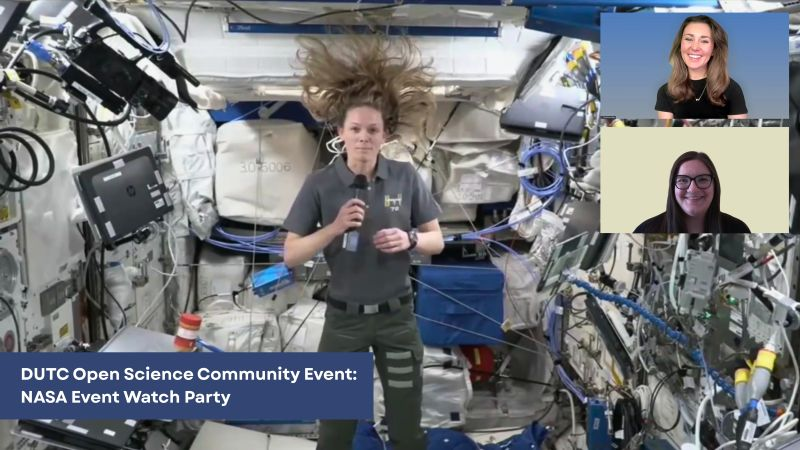
In February, our panel with Open Science Ambassadors Akshay Mestry and Dorra Saidi opened space for honest discussion about the challenges of implementation. We also hosted a Live NASA Watch Party in April with Brooklyn Olson and Dr. Courtney Haun, tuning in as astronauts shared their work from the International Space Station. Moments like that remind us why we do this: discovery is better when it’s shared!
Our Teaching Assistants shared DUTC Open Science posters at conferences near and far, helping extend our impact even further! When one of our Open Science Ambassadors, Dorra Saidi, later presented her post at the NASA Science Mission Directorate Workshop, she embodied our approach: share methods and outcomes openly, be transparent about what’s still in progress, and contribute your perspective as one voice among many. That spirit of collaboration is at the heart of open science.
Looking to 2026
Nearly 2,000 trained researchers. 500+ badges.
But here's what those numbers represent: thousands of conversations about making science better. Hundreds of moments where someone learned skills for reproducible research. Dozens of connections between future collaborators. Countless instances of knowledge flowing freely instead of being locked away. That's what we want to continue to build in 2026. Our role is not just generating content and programs, but being a living example of what's possible when you commit to Open Science principles in everything you do.
Thank You!
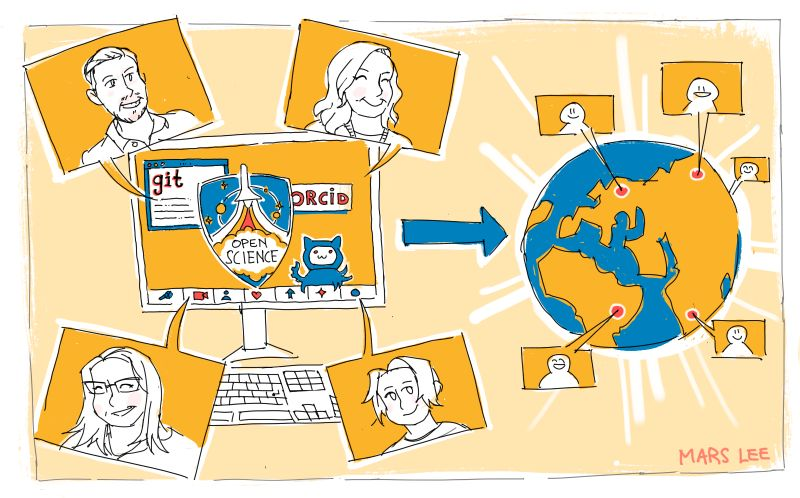
You are not just recipients of Open Science education, you are co-creators of an open science culture. Every time you share your work openly, make your code reproducible, or teach someone else what you've learned, you're living these principles, too.
Here's to 2025, and to continuing this work together in 2026! Open Science isn't just something we teach, it's something we live!
Continue your journey with Don't Use This Code as we work toward democratizing knowledge and supporting researchers globally.